
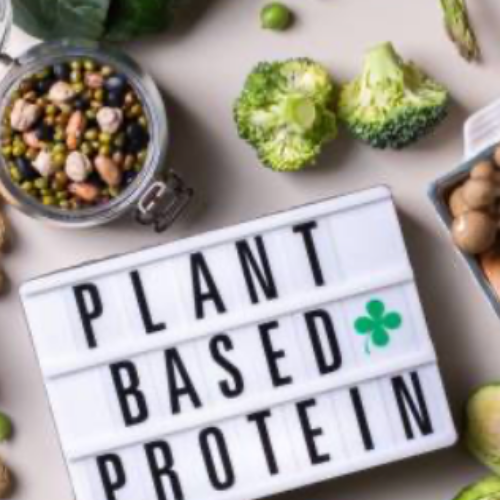
Plant-based meat is everywhere at the moment — burgers, sausages, mince, all promising to look and taste like the real thing. As a PT and nutritionist, I get asked about this constantly, usually alongside the same question: what protein should I actually buy? Everyone wants something different — some people are chasing flavour, some want something bland enough to throw into anything, and a growing number are specifically asking about plant-based options. Here’s my honest take, not just a brand roundup.
Is It Good for You?
It depends entirely on which plant-based option you’re picking up. Some are heavily processed and loaded with sodium; others genuinely offer good nutritional value. Given the environmental case for cutting back on traditional meat, the better plant-based options are worth considering — but “plant-based” on the label doesn’t automatically mean “healthy.”
What Should You Look For?
Prioritise products built from natural, whole ingredients — legumes, vegetables, beans, pea protein, brown rice, tofu, tempeh, beetroot, mushrooms, and nuts. Brands like Fable, Plantein, The Meat Co, and Plant Asia are widely available at major supermarkets and are a reasonable starting point if you’re experimenting.
What About Fat Content?
Quality plant-based meat options are typically lower in fat than their animal-based equivalents, especially sausages, burgers, and mince, and tend to have less saturated fat and more fibre. Look for options under 5% fat per serving, and steer clear of anything relying heavily on coconut oil — it’s unnecessarily high in fat for what you’re getting.
What I Actually Tell Clients Who Ask About Plant-Based Protein
Here’s where I’ll be honest rather than just selling you on the trend. I’ve personally tried rice and pea protein powders, and I’ve always come away a bit disappointed — the taste and the gritty texture just aren’t there yet compared to whey. If I were relying mainly on plant-based products to hit my protein target, I genuinely wouldn’t do it — not because plant protein can’t work, but because of what I’ve seen happen in practice.
The Real Problem I See With Plant-Based Diets
The pattern I’ve noticed with clients going vegan or vegetarian is that most don’t plan hard enough for protein, and end up filling the gap with more carbs — bread, pasta, rice — rather than with legumes, tofu, or plant protein powder done properly.
One client years ago summed this up perfectly. She was vegan, and when we sat down to go through what she was actually eating, her plate was almost entirely pasta, rice, and bread — barely any vegetables, let alone a real plant-based protein source. She genuinely believed she was eating a high-protein, plant-based diet. She wasn’t, and it baffled me at the time how far off it was from what she thought she was doing.
Why This Matters More After 40
This isn’t just a protein-target technicality — it’s the difference between building or preserving muscle and slowly losing it. After 40, hitting your protein target consistently matters more, not less, because your body needs more stimulus to hold onto muscle. If you’re going plant-based, that’s completely fine — but it has to be a deliberate, planned decision, not a default that quietly turns into extra carbs and not enough protein.
Should You Try It?
If you’re considering plant-based meat or protein, go in with your eyes open: pick quality, whole-ingredient products, actually track whether you’re hitting your protein target, and don’t assume “plant-based” automatically means “well-planned.” If you want help figuring out what that actually looks like for your training and your goals, my nutrition coaching can build a plan around it properly — plant-based or not.