
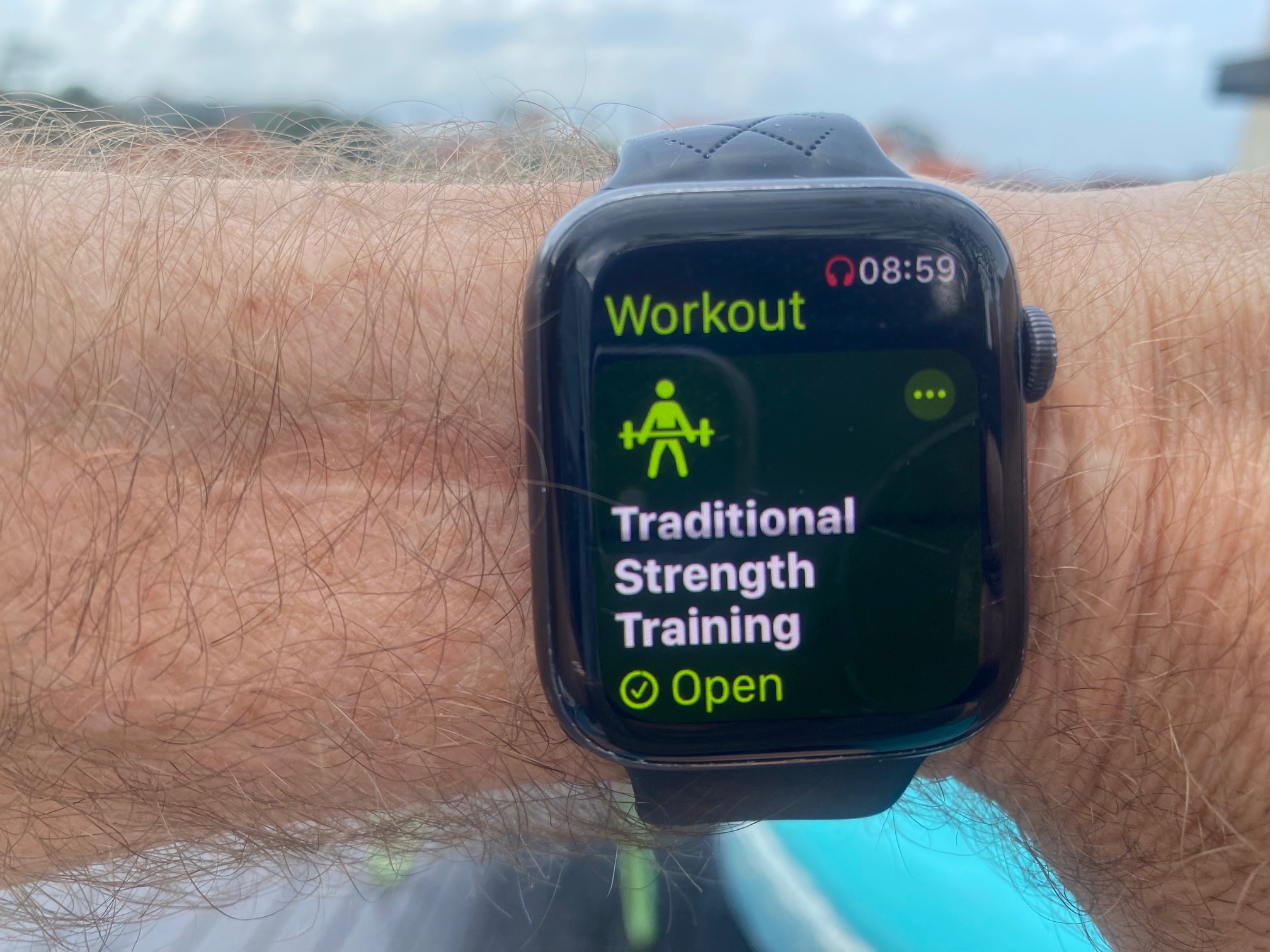
Half the people walking into a gym these days have something on their wrist counting something. Steps, calories, heart rate, sleep score, a daily “readiness” number telling them whether they’re allowed to train.
So, are they worth it? Short answer: yes, for a couple of things. For others, they’re closer to guesswork with a nice screen.
What the Research Says They’re Good At
Heart rate is the strongest part of the story. A 2024 review of the research on consumer wearables found heart rate readings are typically accurate to within about 3%, though that wobbles a bit with skin tone, how hard you’re exercising, and the type of activity. For most people, that’s plenty good enough to see whether you’re in a sensible training zone.
Step counts are decent too. Devices tend to undercount slightly, by around 9% on average, but the trend over weeks matters far more than the exact number on any one day.
And there’s a real motivational effect. A meta-analysis of 12 randomised trials with 1,693 adults found that people wearing a tracker walked more each day than people who didn’t.
Where They Fall Down
Calories burned is the weakest number on the screen. The same review found energy expenditure estimates were out by anywhere from roughly 21% too low to 15% too high depending on the device and the activity. If you’re using that number to decide how much you’re “allowed” to eat, you’re working from a very loose guess.
Sleep tracking is shaky as well. Wearables tend to overestimate how long you slept and how efficient it was, by more than 10% in the research, and they’re even less reliable at splitting sleep into light, deep and REM. Which means those neat “recovery” and “readiness” scores are being built on estimates that are themselves not very accurate. Worth knowing before a number on your wrist talks you out of a session you were actually ready for.
There’s also a bigger-picture catch: researchers estimate that fewer than 5% of consumer wearables have been validated for everything they claim to measure. New models come out every year, and the testing can’t keep up.
They Don’t Do the Work for You
Here’s the part that matters most if fat loss is your goal. That same meta-analysis of 12 trials found wearing a tracker didn’t produce a significant change in body weight. People moved a bit more, but not enough on its own to change the scale. A tracker shows you information. It doesn’t train you, feed you, or get you out the door on a cold morning.
How to Actually Use One Well
Treat it as a trend tool, not a verdict. Look at the average over a few weeks, not today’s number.
Use heart rate and steps, which are the strongest parts. Take calories burned and sleep stages with a big grain of salt.
Don’t let a recovery score override how you actually feel. If your body says you’re flat, listen to it. If the watch says “low” but you feel great and you’re moving well, you’re allowed to train.
Pick one or two numbers that match your goal, like daily steps or resting heart rate, and ignore the rest. More data isn’t better data.
A Note From The Fitness Space
I’m a fan of wearable tech because it keeps you accountable, and not just to yourself. With most of my clients who have an Apple Watch, we’re friends on it, so when they complete a workout I can congratulate them, give them a pat on the back or a high five. It’s a small thing, but it gives that little bit of extra encouragement.
One of my clients recently bought an Apple Watch and we became connected as training friends. Every time she did a workout or some kind of exercise, I’d give her a high five or cheer her on, just to push her forward. She loved it. She felt it was that extra little bit of support she needed, and that I was keeping her accountable even when I wasn’t there.
And you can track what you’re doing yourself. I’m a firm believer in tracking and measuring, because that’s how you see your progress over time: faster, fitter, stronger and more consistent.
Want Help Making Sense of Your Numbers?
If you’re not sure what your tracker is telling you, or what to do with it, you don’t have to figure it out alone. Connect with me today and let’s work out a plan that goes beyond the numbers on your wrist.