
Understanding Autophagy: A Pathway to Wellness
Maroubra Junction is a real mixed bag — multi-million dollar homes a stone’s throw from public housing. Whatever side of that you’re on, health-conscious locals here are increasingly curious about autophagy — especially its connection to intermittent fasting and ketogenic diets. Here’s what it actually is, what triggers it, and an honest take on whether it’s worth chasing.
What Is Autophagy?
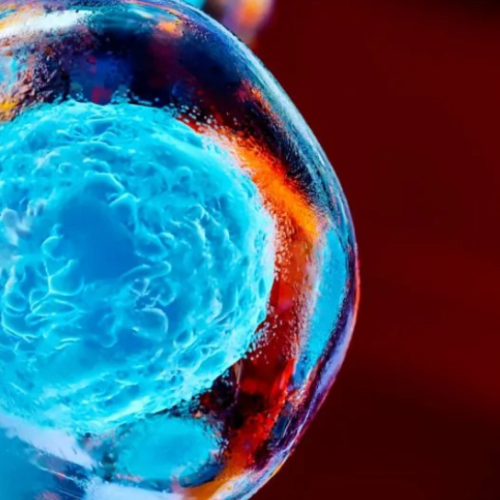
Derived from the Greek words for “self” and “eating,” autophagy is a natural cellular process where the body clears out dysfunctional cells and cellular debris, making way for newer, healthier ones. Think of it as a self-cleaning mechanism that supports cellular rejuvenation.
What Triggers It
Autophagy can be induced through intermittent fasting, calorie restriction, exercise, and ketosis. These interventions place the body under mild stress, prompting it to kick off its own cellular recycling process.
The Benefits — and What’s Still Unproven
Autophagy has real, evidence-backed benefits: supporting cellular health, immune function, and longevity. Where it gets overstated online is the neurodegenerative disease angle — some research does suggest autophagy may play a protective role against conditions like Alzheimer’s and Parkinson’s, but this is still an active, largely early-stage research area, not an established treatment. (Source: a recent review in Neuron on autophagy, ageing and neurodegeneration)
Intermittent Fasting and Autophagy
Alternating between eating and fasting windows can stimulate autophagy — during fasting periods, the body breaks down cellular components for energy, which drives the process along.
The Ketogenic Diet Connection
A ketogenic diet has a similar effect. Restricting carbs and increasing fat intake pushes the body into ketosis, which mimics some of the same metabolic shifts seen during fasting.
What I’ve Actually Seen With Clients
Here’s the bit most autophagy content online skips: the science is one thing, sticking with it is another.
Over the years I’ve trained plenty of clients who’ve tried fasting or keto. The honest pattern? After a couple of weeks, most drift back to eating carbs on a normal schedule — it’s just hard to sustain.
I’ve even seen it with clients managing serious health conditions — including some going through cancer treatment — who’ve tried keto because they were motivated to do absolutely everything they could. Even then, it’s genuinely tough to hold long-term; the old habits (a drink, chocolate, the sweet treats) tend to creep back in. I’ve also got a friend with a serious lifelong illness who’s tried fasting as part of trying everything — and even with that much motivation behind it, sticking to prolonged fasting is hard.
None of that means it’s not worth trying. It means going in with realistic expectations matters more than the hype does.
The Over-40s Catch: Don’t Chase Autophagy at the Cost of Muscle
This is the part that matters most for the people I actually train. If you’re over 40 and experimenting with extended fasting or very-low-carb eating, don’t let it come at the cost of your protein intake or your strength training — prolonged fasting without enough protein and resistance work is a fast way to lose muscle you’ll want to keep as you get older. Chase the cellular benefits if you like, but not at the expense of the muscle mass that actually protects your strength, metabolism, and independence long-term.
Should You Try It?
There’s compelling evidence behind intermittent fasting and ketogenic diets, but approach both with caution — especially if you have an underlying health condition. Talk to your healthcare provider before making a significant change to your diet.
Embrace a Holistic Approach to Health
Fasting and keto might offer benefits through autophagy, but they’re one piece of the puzzle. Regular exercise, a balanced and nutrient-dense diet, and managing stress all matter just as much — arguably more, given how hard the “one piece” is to sustain on its own.
Conclusion
The conversation around autophagy will keep evolving. Understanding what actually triggers it — and being honest about how hard it is to sustain — puts you in a better position to make a real decision about it, rather than chasing a trend. If you want a plan that fits fasting or keto safely around your training and your protein needs, check out my nutrition coaching.