
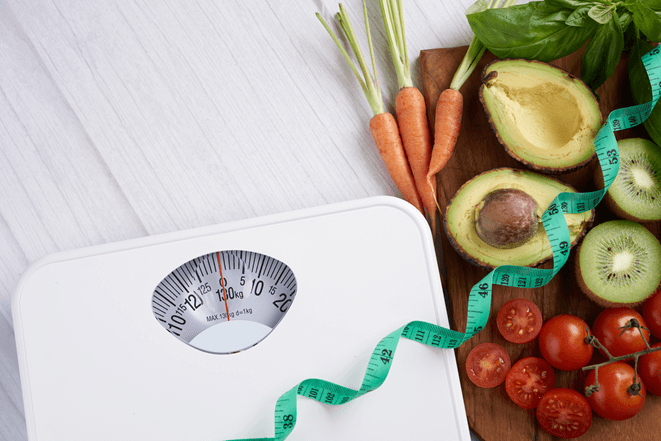
If you’re eating well and staying active but the scale just won’t budge, you’re definitely not alone. I see this all the time with clients in Randwick, and honestly, hitting a weight loss plateau is a normal part of the journey. The good news is once you understand why it happens, you can make some simple adjustments and get back on track.
1. You Might Be Losing Fat Without Noticing
When the scale stalls, it’s easy to get discouraged. But sometimes, you’re actually losing fat and gaining muscle at the same time — especially if you’ve recently started strength training. That’s why I recommend measuring your waist or tracking body fat monthly, rather than relying solely on the scale. It tells a clearer story.
2. Are You Eating More Than You Think?
It’s so common to underestimate how much we eat, especially when life gets busy. I often suggest keeping a food diary or using an app like MyFitnessPal. Tracking your intake consistently makes a big difference for effective weight management. Of course, if you have a history of disordered eating, be mindful about calorie counting and seek support if needed.
3. Protein Is Your Best Friend
Protein is crucial — it keeps you full, supports muscle preservation, and helps keep your metabolism running strong. Including good-quality protein at every meal is one of the easiest and most effective changes you can make to support your weight loss.
4. Keep Moving Regularly
Exercise is important, both cardio and resistance training. Even on busy days, fitting in some movement helps your body and mind. As a nutritionist in Randwick, I always encourage my clients to make movement a regular part of their routine.
5. Cut Back on Alcohol If You Can
Alcohol adds extra calories and can increase your appetite, making weight loss tougher. If you want to break through a plateau, reducing or pausing alcohol for a while can help speed up progress.
6. Be Patient and Realistic
Weight loss isn’t a straight line — it takes time. Aim for steady progress, about half a kilo a week, and focus on building a sustainable, healthy lifestyle that lasts.
Is It a Real Plateau?
A true plateau is when your weight, waist and strength numbers have all stayed the same for three to four weeks while you have kept doing what you were doing. If it has only been a week or two, or your weight is moving up and down within a kilo or so, that is normal day-to-day change, not a plateau. Water, salt, hormones and a hard session can all move the scale.
A Two-Week Plateau Checklist
- Track everything you eat for 7 days, including drinks, oils and snacks. The gap between what you think you eat and what you eat is the most common cause.
- Check your protein at each meal. If you are unsure of your target, how much protein you actually need after 40 is a good starting point.
- Look at alcohol. See alcohol and fat loss.
- Check your sleep. Poor sleep tends to raise appetite and lower the quality of your training.
- Check your training. If you have done the same sessions for months, add weight, reps or a new exercise.
What Not to Do
Do not slash your calories further or add endless cardio. Cutting harder usually leaves you tired, hungry and more likely to quit, and it is the opposite of a sustainable plan. A small change, such as 100 to 200 fewer calories a day or an extra 2,000 steps, is easier to keep up. For the research on what works best, see cardio vs weights for fat loss.
When to Get Help
If you have been stuck for more than a month after trying the checklist, or you have other symptoms such as unusual fatigue, check in with your doctor. If you would like a plan built around you, get in touch.
Breaking through a plateau is about patience, consistency, and making smart adjustments that suit your life. If you’re looking for personalised guidance, reach out to a nutritionist in Randwick who can help you develop a plan that works for you. As your local nutritionist in Randwick, I’m here to support you every step of the way.
Related reading: whether walking is enough exercise, what results to expect after 6 weeks and 5 common weight loss mistakes women make and stress, cortisol and belly fat.