
Getting up off the floor. Carrying the shopping up the stairs. Stepping off a kerb without thinking about it. None of it feels like exercise, until it starts getting harder.
That’s what functional strength is about: being strong and steady enough for the life you actually live. And after 50, balance becomes a big part of it.
Why Your 50s Are the Time to Start
What I’ve noticed over the years is that most clients in their 50s are less active and less strong than they used to be. It’s often the stage of life when the kids are growing up and you finally have a little more time on your hands.
That makes it the perfect time to start. Improving your strength and balance now is crucial for setting yourself up for success in your late 50s and 60s.
You don’t have to be fit already. Two sessions a week of 30 to 40 minutes, plus a few balance exercises at home next to a bench or a wall, is enough to begin with. The aim is a routine you can keep, not a perfect program.
Why Balance Matters More Than You Think
Falls are the leading cause of injury hospitalisation in Australia. People aged 65 and over are hospitalised for falls 12 times more often than adults aged 25 to 44. Most of us think of falls as something that happens to “old people”, but the habits that keep you steady later on are built in your 50s and 60s.
The Good News: Training Works
A large Cochrane review pulled together 108 trials with more than 23,000 older adults. Exercise cut the rate of falls by about 23 per cent. The strongest evidence was for balance and functional exercises: training that challenges your balance and practises the movements you use every day, like standing up, stepping and turning.
Programs that mixed balance, functional work and strength training probably help too. Walking on its own, or strength training on its own, had less clear evidence for preventing falls. So the answer isn’t one thing. It’s being strong and practising your balance.
How I Train Clients Over 50
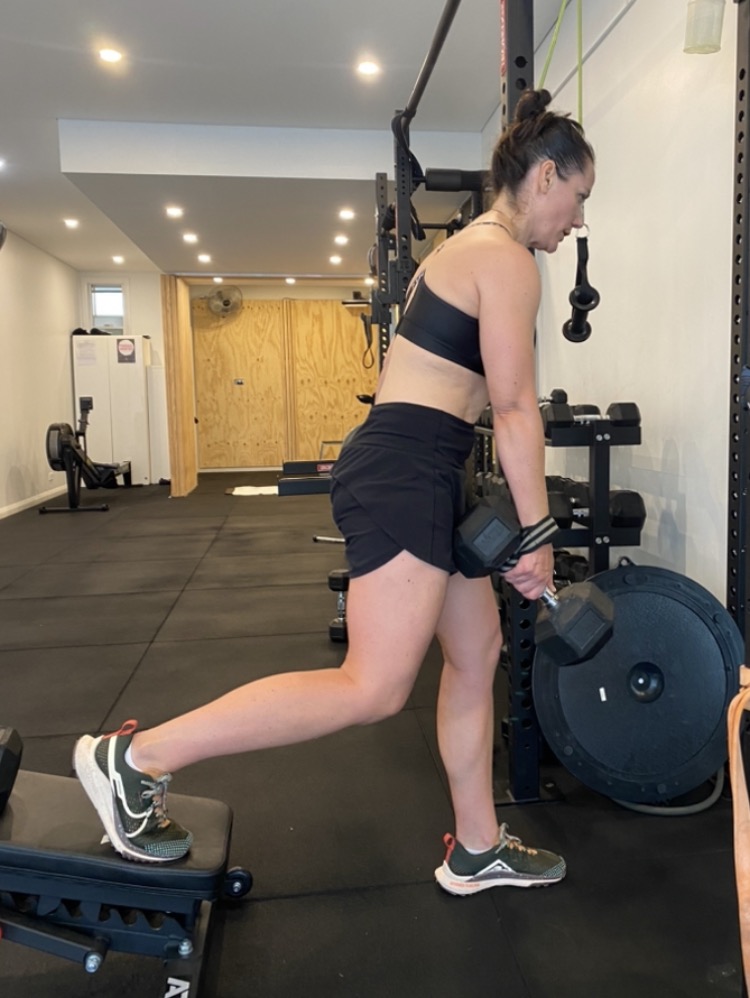
I keep the exercises as functional as I can. Each workout combines isolation movements, which work one muscle at a time, and compound movements, which work several muscles together, so you get a well-rounded session.
Balance is built in, too. Some of the movements are done on just one leg, so you have to balance while you work.
Some of the exercises I use most with clients over 50: sit-to-stand from a chair, step-ups onto a low step, carrying a weight in each hand, standing on one leg beside a bench, and walking heel to toe along a line. Each one trains something you do every day. Start with something stable within reach, and only make it harder when the current version feels easy.
If you’ve had a fall, feel dizzy or have a health condition, talk to your GP or physio before you start.
What Happens When You Stick With It
Some of my favourite results come from clients who have never trained before. Just by including functional balance exercises in their workouts and being consistent with them, I’ve watched them improve over a short period of time. And it does more than make them steadier. It builds their confidence.
The signs are usually small and everyday: getting up from a low chair more easily, feeling steadier on stairs, or putting on your shoes without grabbing the wall. Those are the changes worth watching for.
Start Now, Not After a Fall
You don’t have to wait until you feel unsteady. The best time to build balance and strength is before you need them. If you want to go further, my posts on weight training for bone health and mobility cover the other pieces of the puzzle.
If you’re over 50 and want to feel stronger and steadier, connect with me today and let’s build a plan around you.
Related reading: menopause and feeling washed out.