
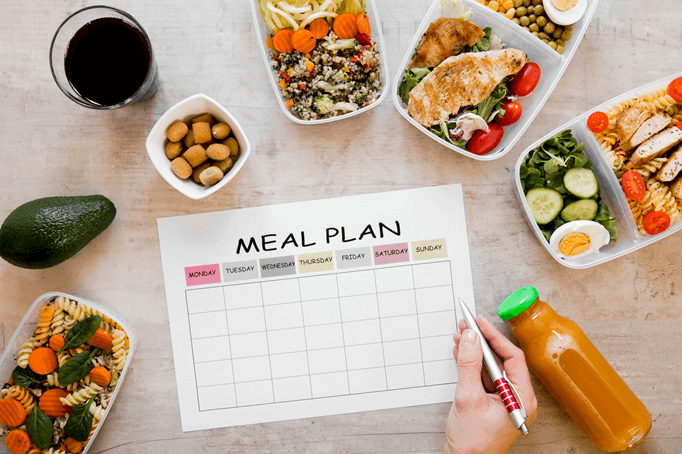
Balancing work, family, and everything in between means meal planning can easily fall to the bottom of the to-do list. Yet good nutrition is the cornerstone of energy, wellbeing, and long-term health — especially for busy families in Maroubra. As a local Maroubra nutritionist, I’ve seen firsthand how a few simple strategies can turn hectic days into manageable, healthy routines.
Here are my top tips for staying on track with healthy eating as a busy family, without the added stress.
1. Plan Meals Around Your Family’s Schedule
Start by mapping out your week — school runs, work hours, sports practice, and social commitments. Knowing when you need something quick versus when you’ve got more time to cook helps you build a plan that actually fits your family’s real lifestyle.
Give each night a label rather than a recipe: “quick” for sport nights, “slow” for the evening you’re home early, and “leftovers” for the night before the next shop. Then you only have to pick a meal that fits the label, which is much easier on a tired Tuesday.
2. Batch Cook and Freeze
Cooking in bulk saves time and cuts down on decision fatigue. Prepare larger portions of staples like roasted vegetables, grains, or lean proteins, and freeze individual servings — ready-made meals for the evenings when there’s no time to cook from scratch.
Pick one afternoon, often Sunday, and cook two things: a protein such as shredded chicken or mince, and a base such as rice or roast vegetables. Portion them into containers and freeze half. Cool food quickly, refrigerate or freeze it, and reheat it until piping hot. Rice in particular should go in the fridge soon after cooking.
3. Focus on Balanced, Simple Meals
A nutritious meal doesn’t have to be complicated. Prioritise protein, fibre, and healthy fats to keep everyone satisfied and energised. Think grilled chicken with quinoa and steamed greens, or a veggie-packed omelette with wholegrain toast — simple, repeatable options that don’t need a recipe book.
A reliable template is one protein, one or two vegetables and one carbohydrate: grilled fish with steamed greens and potato, or a stir-fry with tofu and rice. Once you have three or four meals like this that your family likes, you can rotate them through the week.
4. Use a Shopping List to Avoid Impulse Buys
Stick to your plan by shopping with a detailed list. This cuts down on waste and temptation, and keeps you aligned with your broader health and nutrition goals.
Write your list in the order you walk through the shop, and check the fridge and pantry before you leave. Click-and-collect helps too: you can’t impulse-buy what you never see.
5. Involve the Whole Family
Get kids and partners involved in meal prep or choosing recipes. It makes the process smoother and helps build healthy habits that actually last.
Give each person a small, real job. Younger kids can wash vegetables or stir, older kids can choose one dinner a week and help cook it, and a partner can take one of the batch cooking afternoons. People tend to enjoy what they’ve helped make.
6. Don’t Forget Snacks
Keep healthy, protein-rich snacks on hand so you’re not reaching for sugary options when energy dips. Nuts, yoghurt, or vegetable sticks with a healthy dip work well and take the stress out of snack time.
Prepare snacks at the same time as your meals. Portion nuts into small containers, cut vegetable sticks and keep them at eye level in the fridge, and leave fruit in a bowl on the bench. If it takes effort to find, it won’t get eaten.
To put it all together, here is a simple week. Sunday: batch cook a protein and a base. Monday and Thursday: reheat them and add fresh vegetables. Tuesday: a quick sport-night meal such as eggs, salad and wholegrain toast. Wednesday: leftovers. Friday: the family picks dinner. Weekend: cook something new together.
Meal planning doesn’t need to be another overwhelming chore. With a bit of structure, you can build a routine that supports your family’s health without adding to the busyness.
Meal planning isn’t separate from the training side of things — how you eat directly affects your energy and results in the gym, which is why I work with clients on nutrition and training together rather than as two separate things to manage. If strength training is part of your goals too, pairing these habits with a proper lifting routine makes the biggest difference.
If you want personalised help with meal planning or healthy eating in Maroubra, reach out. As a Maroubra nutritionist, I specialise in helping busy families make nutrition manageable and effective.