
Short answer: it is a convenient way to eat protein, not a magic ingredient. I recommend protein for everyone I train, if you can tolerate it, and for a lot of people a powder makes it easier to get enough. But food comes first, and a tub of powder will not fix a week of skipped meals.
Food first, powder second
Protein powder is just protein from milk, or from plants, with the water and most of the fat taken out. Eggs, fish, meat, yoghurt, tofu and legumes do the same job and bring other nutrients with them. If you already hit your protein with real food, you do not need a powder.
Where it earns its place is on the days that do not go to plan: a rushed breakfast, a small appetite, a long day at work, or a session straight after training with nothing in the bag. One scoop in a shaker takes a minute.
What the research says
A large review of 49 trials found that adding protein supplements to resistance training gave a small extra gain in muscle mass and strength in healthy adults. The benefit levelled off at around 1.6 grams of protein per kilo of body weight per day, so more does not keep helping. That fits what I see: powder helps you reach your number, it does not make the number higher than it needs to be. (Morton et al., British Journal of Sports Medicine, 2018.)
If you are not sure what your number is, I go through it in how much protein you actually need after 40.
Which type to choose
There are three main types, and I have tried all of them.
- Whey concentrate: the standard. Usually the cheapest, and it contains a little more lactose.
- Whey isolate: filtered further, with less lactose and fat. This is the one I prefer. I use the vanilla isowhey from Bulk Nutrients, an Australian company.
- Plant-based: a good choice if you avoid dairy. Look for a blend, such as pea with rice, so you get a full mix of amino acids.
The best one is the one you will actually drink, so pick a flavour you like. Vanilla works in water, milk or in a smoothie.
What I would check on the tub
- Protein per serve, listed clearly on the label.
- A short ingredient list. You do not need a long list of extras.
- Whether it contains milk, soy or anything else you react to. The allergens are listed on the label.
How I would use it
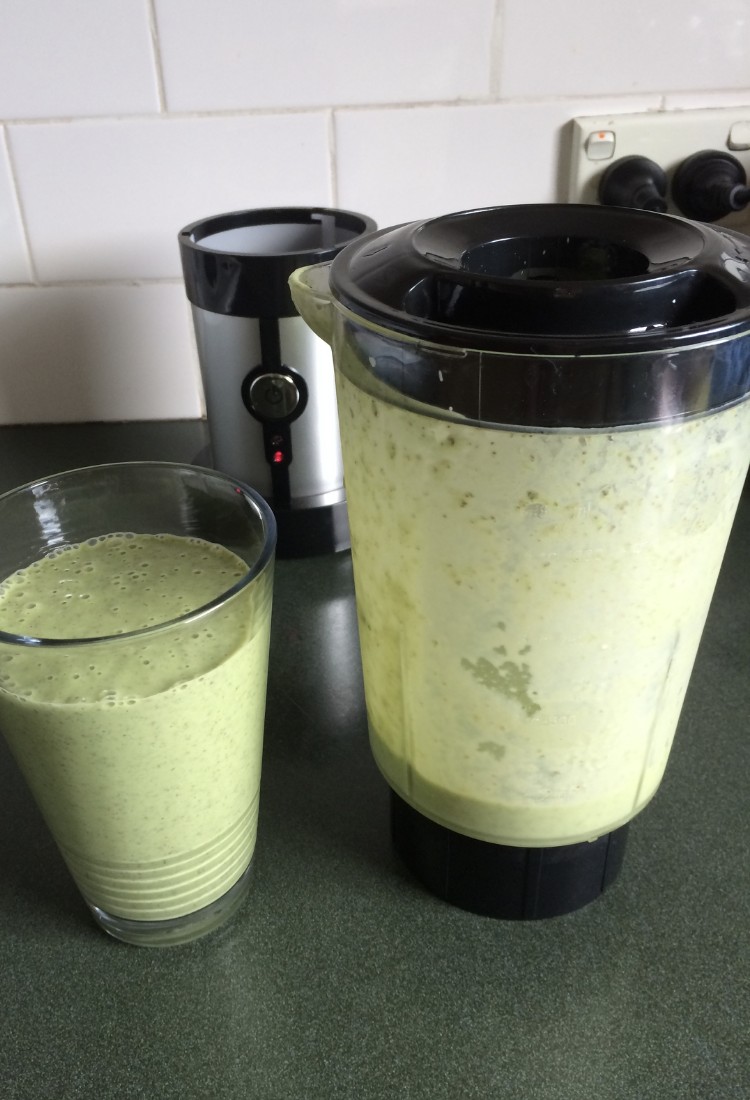
One scoop, not three. Have it after training, or with breakfast if you struggle to eat protein in the morning. Here is one I make: a green smoothie with a scoop of Bulk Nutrients vanilla isowhey. If breakfast is your weak spot, high-protein breakfasts that take minutes has real-food options too. Powders are separate from supplements like creatine, which I cover in is creatine safe.
When to stop
If you have any issue with protein powder, stop taking it and see your doctor.
Want help working out your protein?
If you would like a plan built around your goals, your schedule and what you actually like to eat, get in touch and we will start with a conversation.
Related reading: How Much Protein Do You Actually Need After 40 and High-Protein Breakfasts That Take Minutes.
Source: Morton RW et al. A systematic review, meta-analysis and meta-regression of the effect of protein supplementation on resistance training-induced gains in muscle mass and strength in healthy adults. Br J Sports Med, 2018 (PubMed 28698222).